

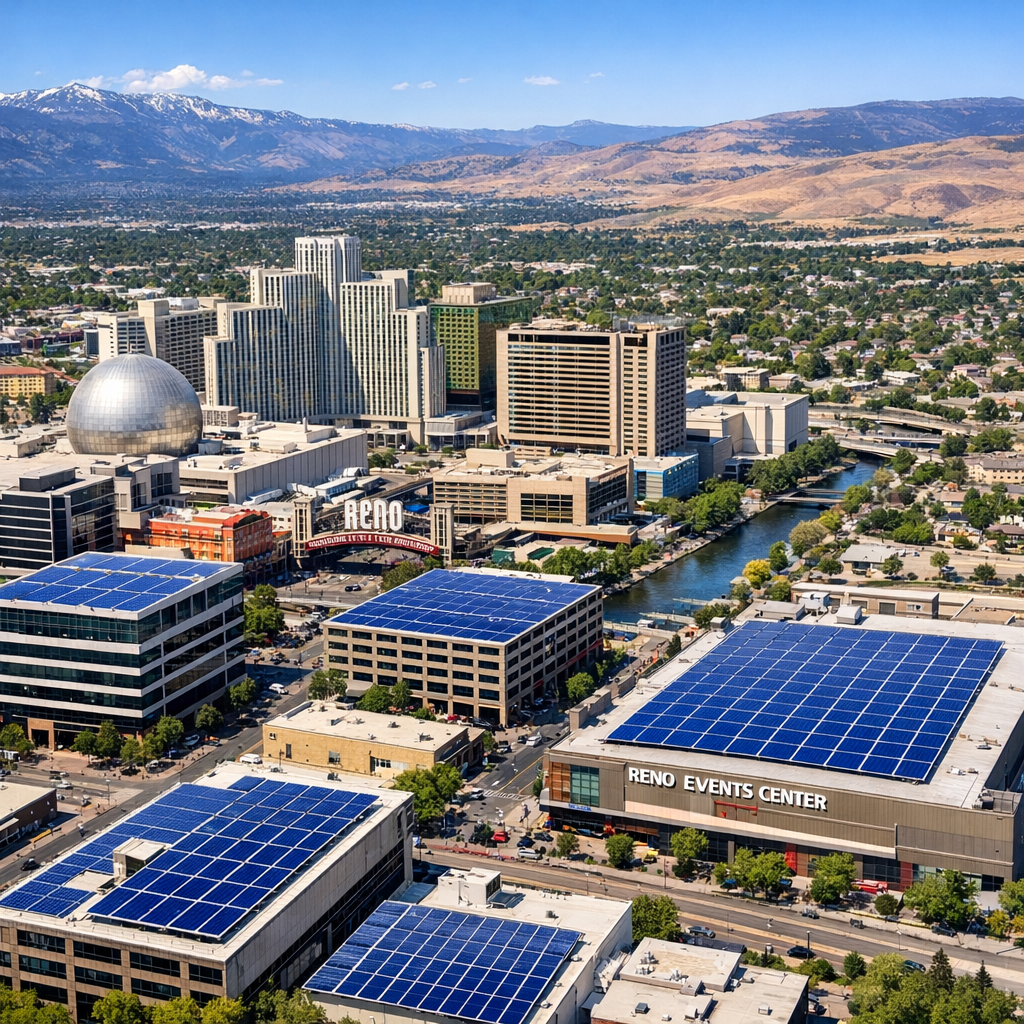
Reno, Nevada, is experiencing significant climate shifts, including increased temperatures, intensified rainfall, and heightened wildfire risks. These changes pose challenges to the community’s health, infrastructure, and natural ecosystems.
Rising Temperatures and Heatwaves
Over recent decades, Reno has seen a notable rise in temperatures. Between 1970 and 2024, the city experienced an increase of approximately 7.9°F. This warming trend has led to more frequent and intense heatwaves, with the number of days exceeding 94.5°F projected to rise from about 7 days in 1990 to approximately 41 days by 2050. Such conditions elevate the risk of heat-related illnesses and increase energy demands for cooling.
Intensified Rainfall and Flooding
Climate change has also intensified rainfall patterns in Reno. Studies indicate that hourly rainfall intensity increased by 37% between 1970 and 2024. This escalation raises the likelihood of flash floods and associated hazards, impacting infrastructure and public safety.
Increased Wildfire Risks
Warmer temperatures and prolonged drought conditions have heightened wildfire risks in the region. The Reno Fish and Wildlife Office is actively working to conserve and restore sagebrush habitats, which are crucial for many sensitive species. Additionally, the University of Nevada, Reno, has secured a $3.55 million federal grant to support wildfire mitigation and forest restoration efforts in areas like Little Valley and the Whittell Forest & Wildlife Area.
Community-Led Sustainability Efforts
In response to these challenges, Reno has implemented several sustainability initiatives. The city’s Environmental Services Division oversees programs aimed at reducing energy consumption and promoting renewable energy. Notably, the city achieved a 37% reduction in energy use in municipal buildings over the past decade, resulting in cumulative savings of $3.4 million. Projects include the installation of solar facilities generating 1.6 million kilowatt-hours of clean energy in 2024 and upgrading to energy-efficient LED lighting in city-owned buildings.
Furthermore, the Reno-Tahoe Airport Authority has committed to environmental stewardship by implementing energy conservation measures, such as installing a 135kW solar photovoltaic system at the Aircraft Rescue & Firefighting Facility and upgrading to energy-efficient lighting throughout airport facilities.
These concerted efforts reflect Reno’s dedication to building a sustainable and resilient community in the face of evolving climate challenges.