

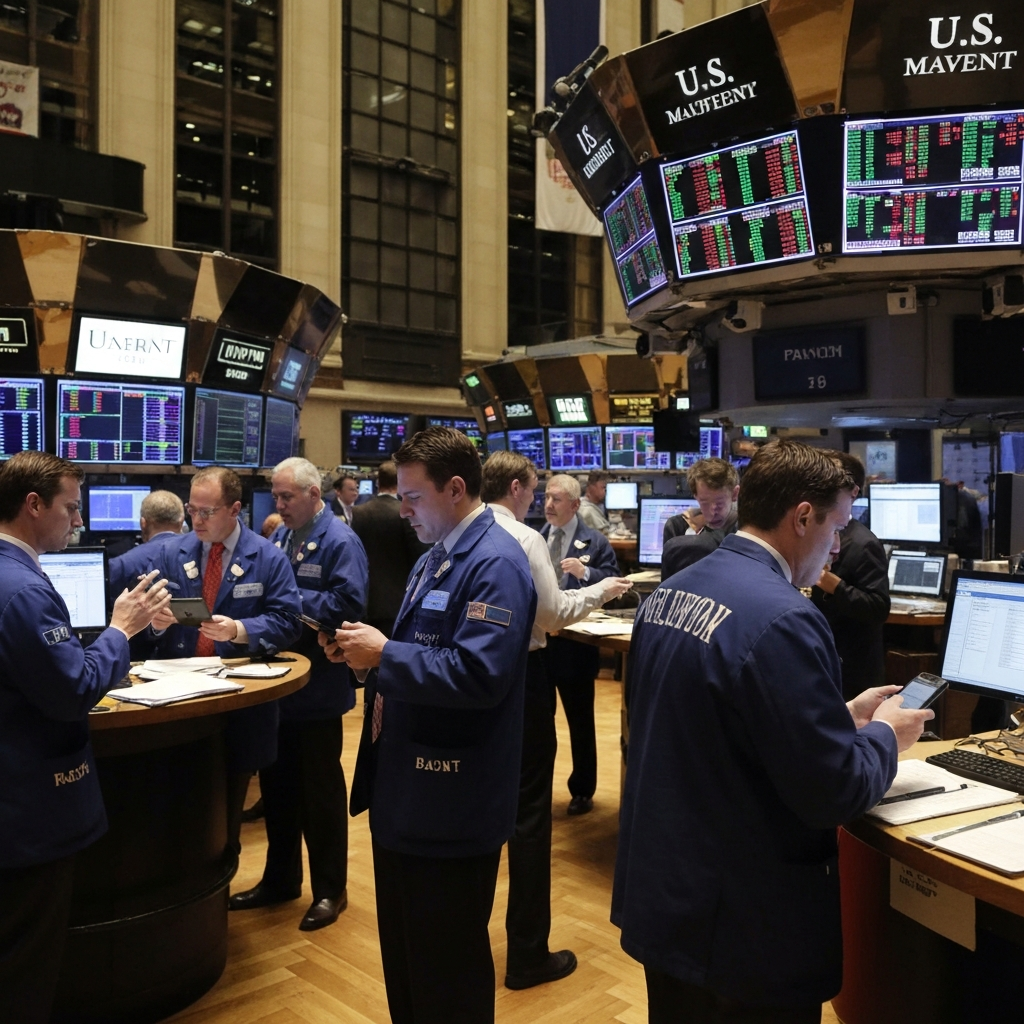
The United States economy has demonstrated resilience in recent quarters, navigating through various challenges and opportunities. In the first quarter of 2026, the economy expanded at an annualized rate of 2%, marking a rebound from the previous quarter’s 0.5% growth. This uptick was largely driven by a recovery from the prior federal government shutdown and robust investments in artificial intelligence (AI), underscoring the sector’s enduring strength.
However, this growth is tempered by rising inflation, particularly influenced by geopolitical tensions such as the conflict in Iran, which has led to increased energy prices. Federal Reserve officials have expressed concerns over these inflationary pressures, emphasizing the need for careful economic management during these uncertain times.
On the political front, the United States continues to be characterized by its two major parties: the Democratic Party and the Republican Party. While these parties contest elections at all levels, they often function as loose alliances of state and local organizations between election cycles. This structure contributes to the dynamic and sometimes fragmented nature of the U.S. political landscape.
Understanding these economic and political dynamics is crucial for comprehending the broader national context. As the economy adapts to technological advancements and geopolitical developments, and as political parties navigate internal and external challenges, staying informed remains essential for all citizens.